
Providing safe cabin air for operators in agricultural, construction and other requirements to remove odours and volatiles.
HOW
DOES ADSORBTION WORK?

Adsorption is a critical process that involves the attraction and capture of contaminated airborne particles and vapours. These pollutants are drawn towards the surface of the activated carbon, which is specially treated to have an incredibly large surface area comprising numerous tiny pores. Adsorption involves the pollutants adhering to the external surface of the carbon, unlike absorption which is where substances are absorbed into the structure of an absorbent material.
The extensive surface area of ADXORB Activated Carbon provides numerous adsorption sites for harmful molecules.
Over time, activated carbon becomes saturated which will reduce its effectiveness. Regularly replacing the carbon filter is essential for compliance and to maintain safe air quality.
PROVEN PERFORMANCE
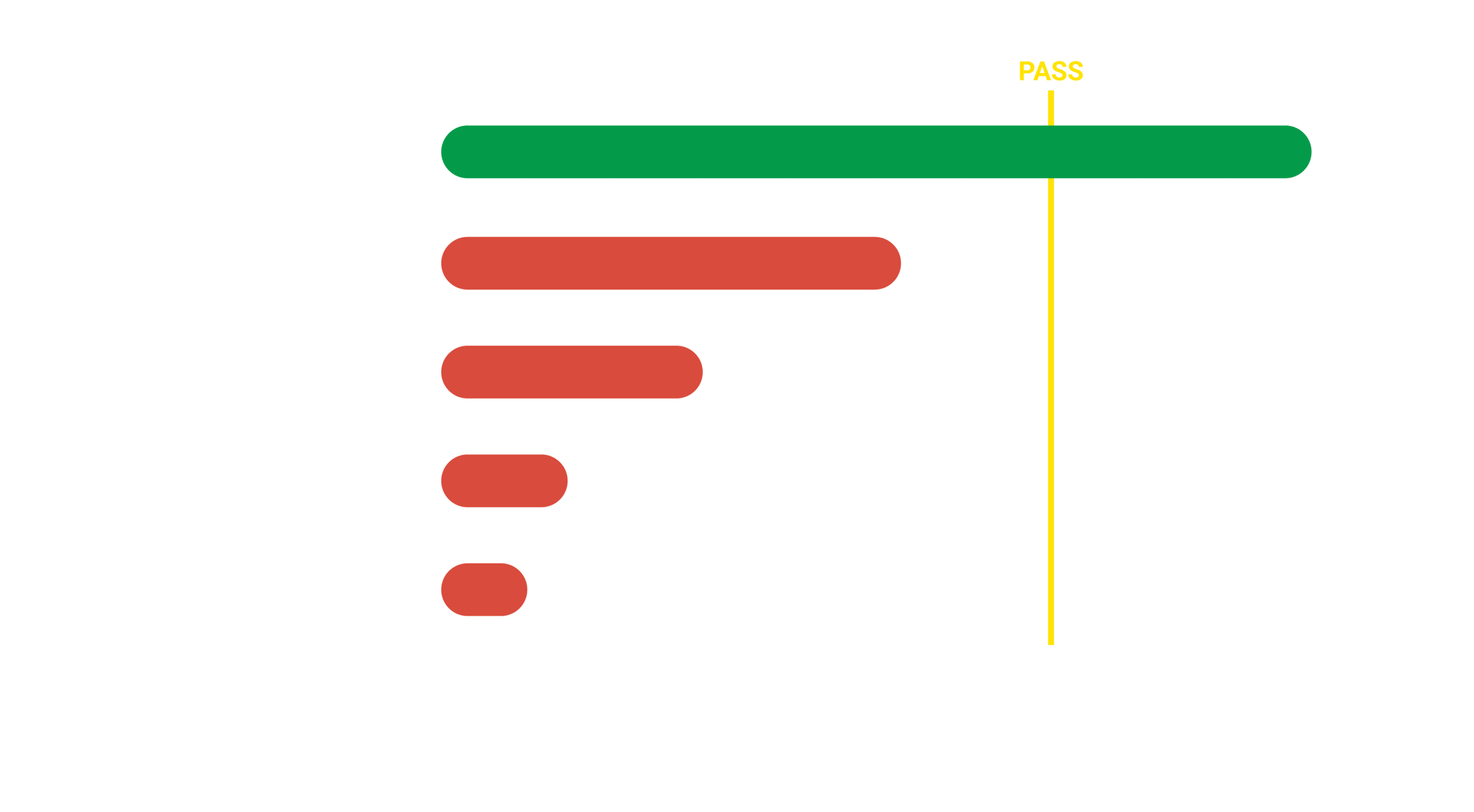
Independent test results on cabin filters to international standard ASABE S613-3

The Technological Evolution of Carbon Filtration
Throughout history, humans have harnessed the power of charcoal to purify water and noxious gases to combat various impurities. Charcoal, or carbon, is the residue left behind after incomplete combustion. By heating substances like wood, coconut shells, or coal in a vacuum chamber, volatile compounds are released, leaving behind carbon. To enhance its adsorption capabilities, activated carbon undergoes additional processing. The activation process creates a vast network of microscopic pores, significantly increasing its surface area and enabling greater chemical trapping. Additionally, chemical treatments can further enhance its ability to filter specific pollutants.
Effective Use and Applications of Activated Carbon
To maximize the efficiency of activated carbon air filters, it’s crucial to consider the following factors:
- Sufficient Carbon Quantity: Filters with a substantial amount of carbon, are more effective as they provide more adsorption sites.
- Optimal Air Flow: Filters with a thick layer of carbon and longer dwell time allow air to spend more time in contact with the carbon, increasing the filtration effectiveness.
- Timely Replacement: Carbon filters become saturated over time, losing their ability to trap pollutants. While there are no visible indicators, following manufacturer guidelines for replacement or a monthly schedule is recommended.

Download Technical Data Sheets (PDFs)
AG Activated Carbon (general agricultural use)
Ammonia Activated Carbon (for NH₃ and amines)
H₂S Activated Carbon (for sulphur- and acid-gas odours)
Certificate of Compliance
Our Partnerships
ADXORB Activated Carbon is exclusively used by leading chemical air filtration specialists Purecab, and Ultrasafe.
These partnerships ensure agriculture and construction operators worldwide are protected inside their cabins against harmful gases. Importantly the use of ADXORB in their cabin filters ensures they are compliant with international cabin air filter standards EN15695-2 (Europe) and ASABE S613-3 (North America).
Purecab designs and manufactures over 1400 models of cabin air filters for global markets, with operations and distributors in North America, Europe, Australia and New Zealand www.purecab.com
Ultrasafe is Australia’s leading cabin air filter provider, protecting Aussie Farmers for Over 30 Years with a cabin filter to fit all makes and models: www.ultrasafe.com.au

